|
Donate to the upkeep of the Jubilee Park
The park is managed by the Community and the work is carried out by volunteers. If you would like to donate to the upkeep of the park to enable us to continue to maintain the park and improve the experience for everyone who visits, you can donate via the button here |
Donate to the upkeep of the park below.
|
We now have four new panels in the jubilee park. They show information of the various things you may spot while you are visiting the park.
The images have been hand painted by local artist Lynne Gilley.
If you would like us to add anything to this page please email us on eastwillliamston@gmail.com
The images have been hand painted by local artist Lynne Gilley.
If you would like us to add anything to this page please email us on eastwillliamston@gmail.com
|
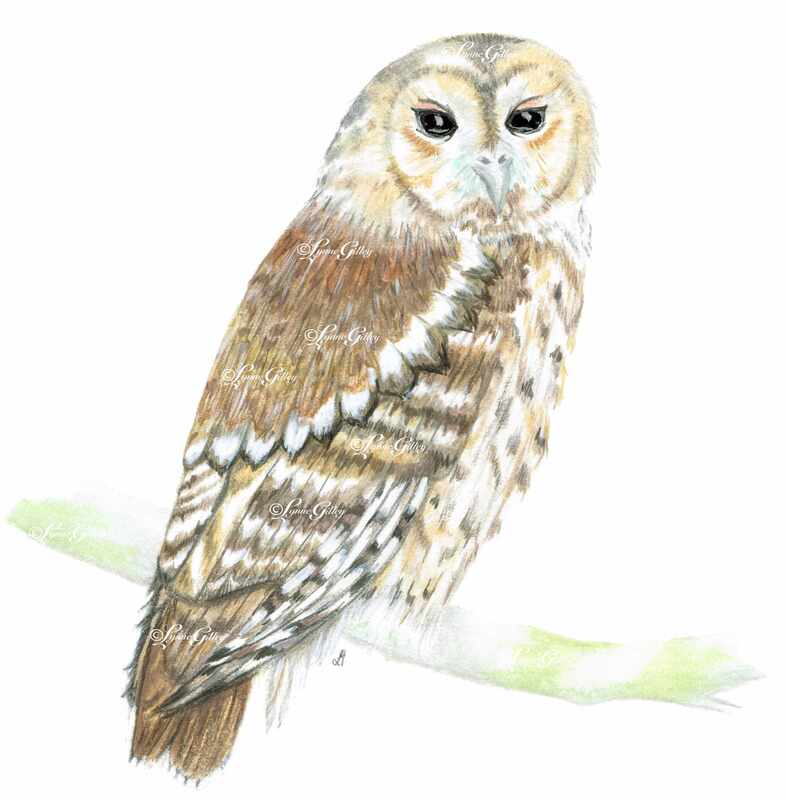
Tawny owl
The tawny owl is a widespread breeding species in England, Wales and Scotland. Birds are mainly residents with established pairs probably never leaving their territories. Young birds disperse from breeding grounds in autumn. Click here to find out more about the Tawny Owl including hearing it's call. |
|
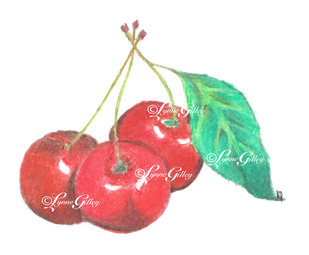
Hawthorn
The pale green leaves of this hedgerow staple are often the first to appear in spring, with an explosion of pretty pale-pink blossom in May. It simply teems with wildlife from bugs to birds. Click here to find out more about the Hawthorn including a time lapse video of a leaf burst. |
|
|
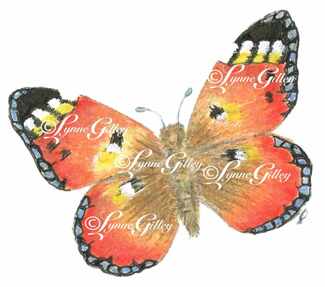
Red Admiral
A large and strong-flying butterfly and common in gardens. This familiar and distinctive insect may be found anywhere in Britain and Ireland and in all habitat types. Click here to find out more about the Red Admiral. |
|
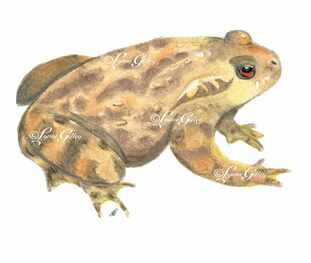
Common Toad
Despite its warts and ancient associations with witches, the common toad is a gardener's friend, sucking up slugs and snails. It is famous for migrating en masse to its breeding ponds. Click here to find out more about the Common Toad. |
|
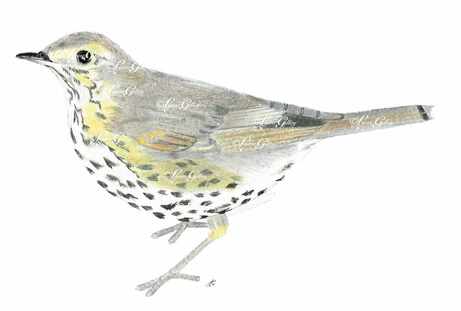
|
Song Thrush
A familiar and popular garden songbird whose numbers have declined markedly on farmland and in towns and cities. It's smaller and browner than a mistle thrush with smaller spotting. Its habit of repeating song phrases distinguish it from singing blackbirds. It likes to eat snails which it breaks into by smashing them against a stone with a flick of the head. Click here to find out more about the Songthrush including an audio file of its call. |
|
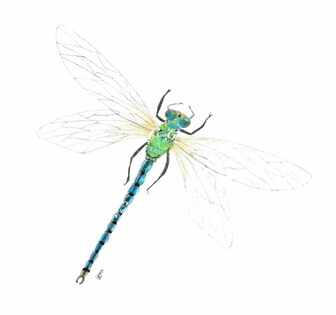
Emperor Dragonfly
The emperor dragonfly is an impressively large and colourful dragonfly of ponds, lakes, canals and flooded gravel pits. It flies between June and August and even eats its prey on the wing. Click here to find out more about the Emperor Dragonfly. |
|
|
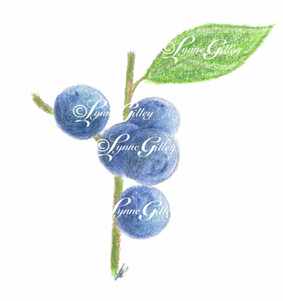
Blackthorn / Sloe
Early to blossom, blackthorn trees have clouds of snow-white flowers in early spring. They’re best known for their rich, inky, dark fruits called sloes used to make a favourite wintry tipple – sloe gin. Click here to find out more about the Blackthorn |
|
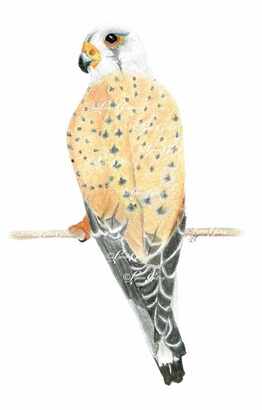
Kestrel
Kestrels are a familiar sight with their pointed wings and long tail, hovering beside a roadside verge. Numbers of kestrels have declined since the 1970s, probably as a result of changes in farming and so it is included on the Amber List. They have adapted readily to man-made environments and can survive right in the centre of cities. Click here to find out more about the Kestrel including the distinctive Kestrel call. |
|
|
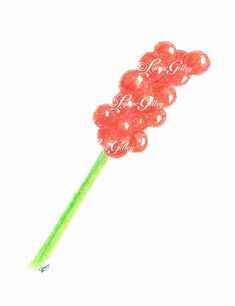
Arum (Lords and Ladies)
Lords-and-ladies (Arum maculatum) with its bright autumn berries, is a valuable perennial for shady borders, but its tendency to self-seed means it can become a nuisance. All parts of the plant are poisonous please do not touch it. Click here for more information on Arum lords and ladies. |
|
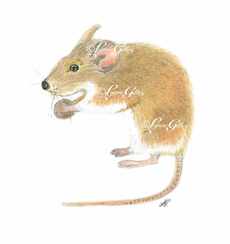
Field mouse
Despite being one of our most common woodland mammals, the small, sweet and secretive wood mouse is hard to spot. They feast on nuts, seeds and invertebrates and are an important food source for larger mammals and birds of prey. Click here to find out more about the field mouse including what they like to eat and where they like to live. |
|
|
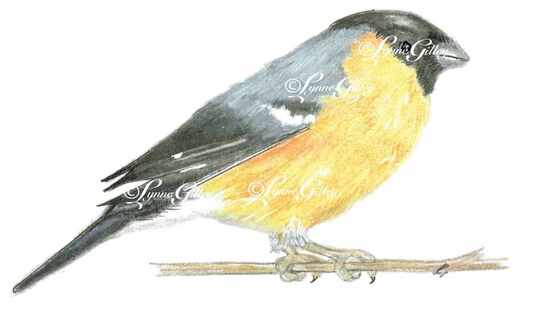
Bullfinch (Female)
Shy but striking. Bullfinches can be seen in woodlands, orchard and hedgerows. Best looked for at woodland edges - usually located by its mournful call. Male bullfinches are distinctive, with a bright pink-red breast and cheeks and a black cap. Females have a much duller grey-pink breast. Both sexes have a white rump that is particularly noticeable when in fight. They have black wing markings. Click here to find out more about the Bullfinch including hearing its song. |
|
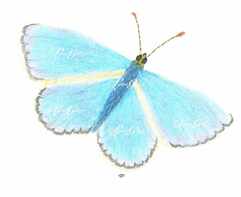
Common Blue
The Common Blue is the most widespread blue butterfly in Britain and Ireland and is found in a variety of grassy habitats. The brightly coloured males are conspicuous but females are more secretive. Click here to find out more about the Common Blue. |
|
|
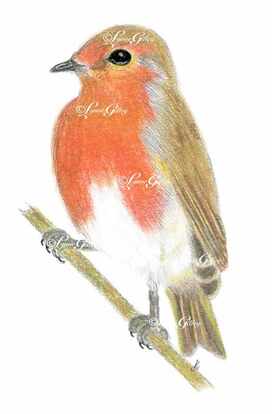
Robin
The UK's favourite bird - with its bright red breast it is familiar throughout the year and especially at Christmas! Males and females look identical, and young birds have no red breast and are spotted with golden brown. Robins sing nearly all year round and despite their cute appearance, they are aggressively territorial and are quick to drive away intruders. They will sing at night next to street lights. Click here to find out more about the Robin including listening to it's call. |
|
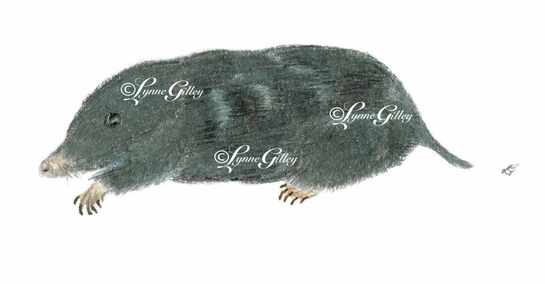
European Mole
Moles have short usually black velvety fur, with spade-like forelimbs with large claws that face towards the rear of the animal. Pink fleshy snout and tiny eyes. Most moles don’t live beyond 3 years but can live up to 6 years. Their main predators are tawny owls and buzzards, stoats, cats and dogs, along with some vehicular casualties. Humans also kill many as pests of agriculture. Click here to find out more about the mole. |
|
|
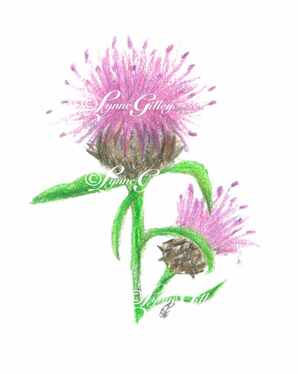
Black Knapweed
The tightly packed, thistle-like purple flower heads of common knapweed bloom on all kinds of grasslands. Also regularly called 'black knapweed, this plant attracts clouds of butterflies. Click here to find out more about the black knapweed. |
|
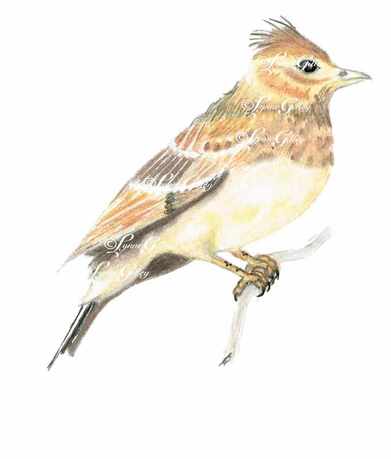
Skylark
The skylark is a small brown bird, somewhat larger than a sparrow but smaller than a starling. It is streaky brown with a small crest, which can be raised when the bird is excited or alarmed, and a white-sided tail. The wings also have a white rear edge, visible in flight. It is renowned for its display flight, vertically up in the air. Its recent and dramatic population declines make it a Red List species. Click here to find out more about the Skylark including an audio file of it's call. |
|
|
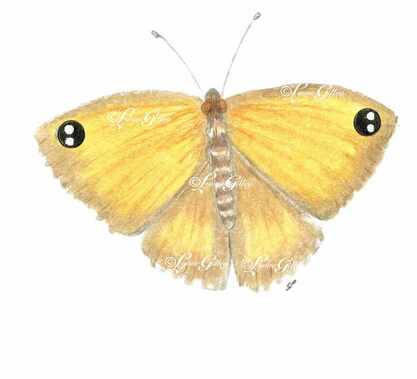
Gatekeeper
The Gatekeeper (also known as the Hedge Brown) is often encountered where clumps of flowers grow in gateways and along hedgerows and field edges. It is often seen together with the Meadow Brown and Ringlet, from which it is easily distinguished when basking or nectaring with open wings. Click here to find out more about the Gatekeeper including where best to find it. |
|
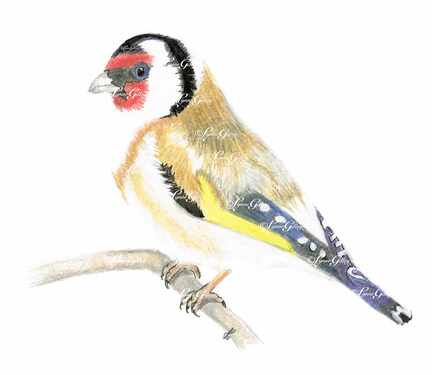
Goldfinch
The goldfinch is a highly coloured finch with a bright red face and yellow wing patch. Sociable, often breeding in loose colonies, they have a delightful liquid twittering song and call. Their long fine beaks allow them to extract otherwise inaccessible seeds from thistles and teasels. Increasingly they are visiting bird tables and feeders. In winter many UK goldfinches migrate as far south as Spain. Click here to find out more about the Goldfinch including listening to its song. |
|
|
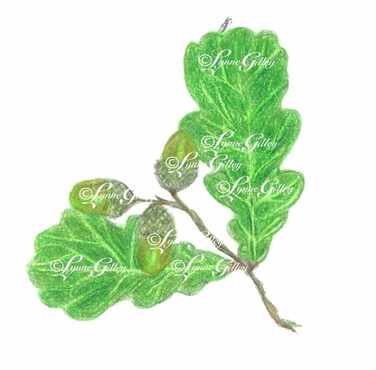
Acorn / Oak Tree
The ruling majesty of the woods, the wise old English oak holds a special place in our culture, history, and hearts. It supports more life than any other native tree species in the UK; even its fallen leaves support biodiversity. Acorns are 2–2.5cm long, on long stalks and in cupules (the cup-shaped base of the acorn). As it ripens, the green acorn turns brown, loosens from the cupule and falls to the canopy below, sprouting the following spring. Click here to read more about the Oak Tree including a time-lapse video of a year in the life of an Oak Tree. |
|
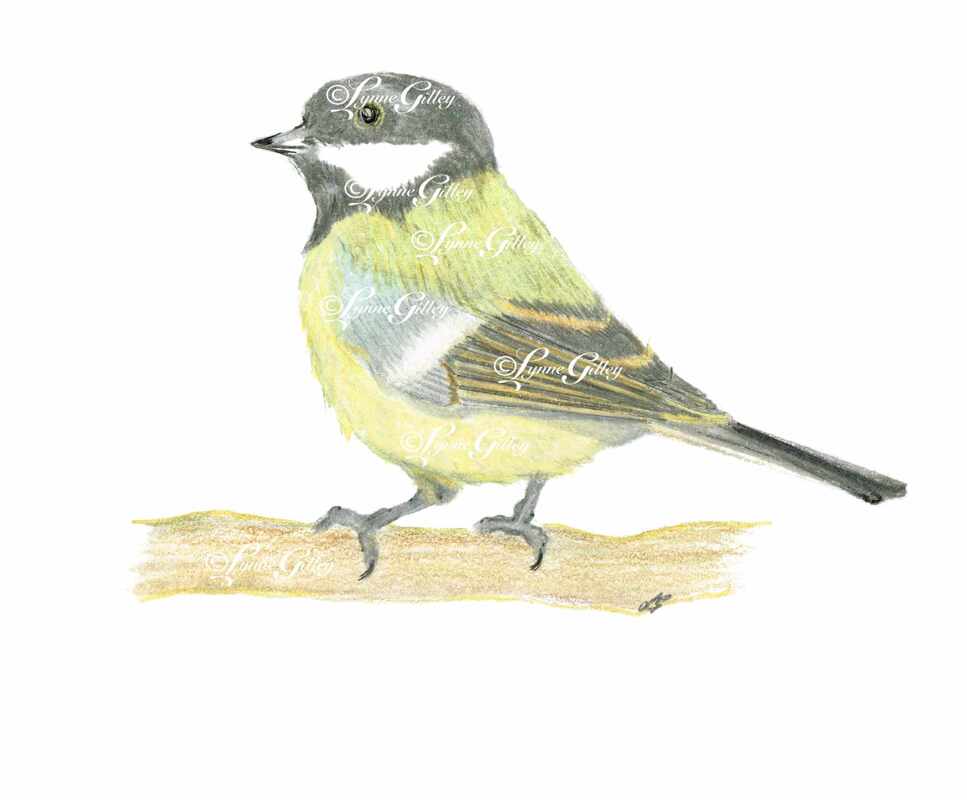
Great Tit
The largest UK tit - green and yellow with a striking glossy black head with white cheeks and a distinctive two-syllable song. It is a woodland bird which has readily adapted to man-made habitats to become a familiar garden visitor. It can be quite aggressive at a birdtable, fighting off smaller tits. In winter it joins with blue tits and others to form roaming flocks which scour gardens and countryside for food. Find out more about the Great Tit here including hearing it's call. |
|